An Entertainment License is the approval your local authority, or Pihak Berkuasa Tempatan (PBT), requires before a venue can legally offer musical entertainment to the public. If your restaurant, café, bar, hotel, or event space hosts live bands, DJ sets, karaoke, or stage performances, this license is what keeps those activities lawful — and protects your business from fines, enforcement visits, and suspension.
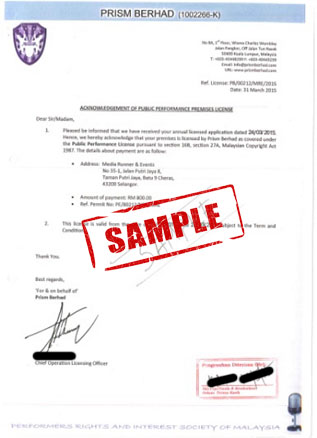
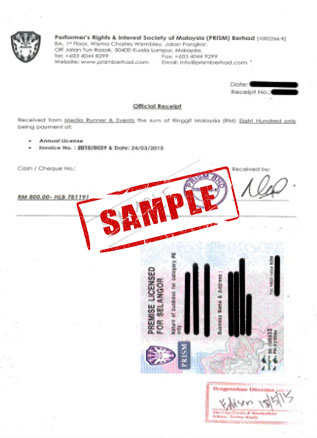
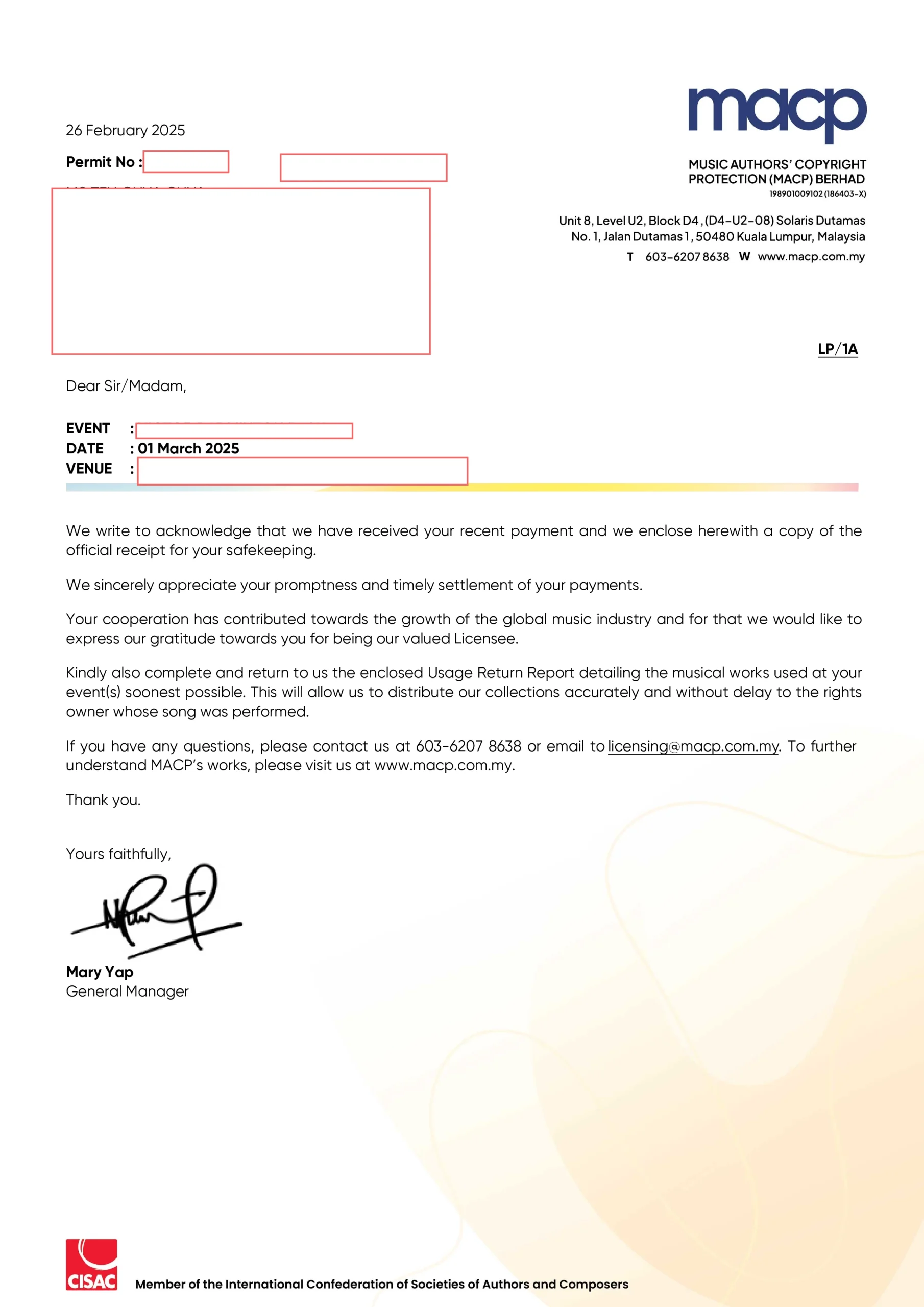
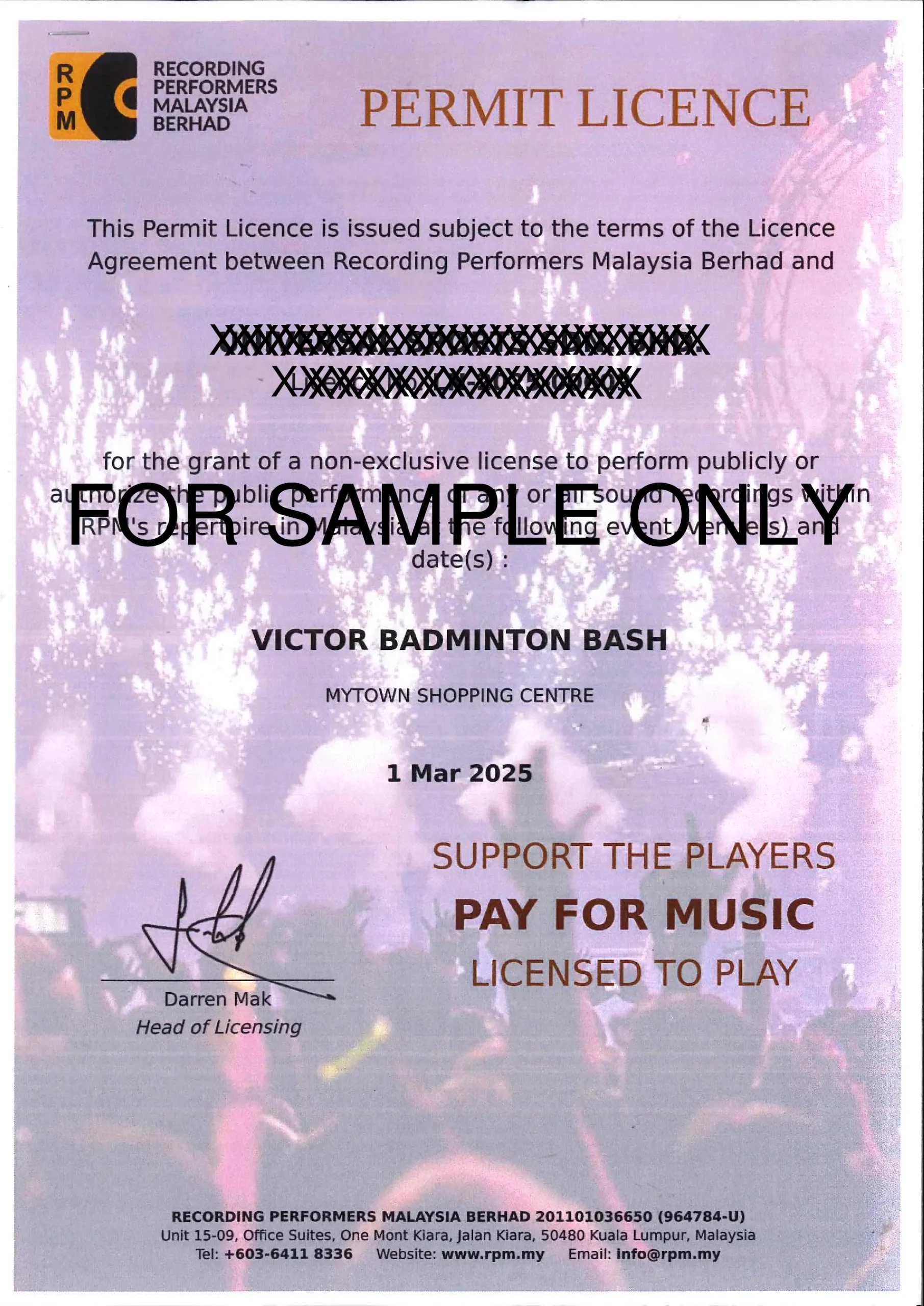
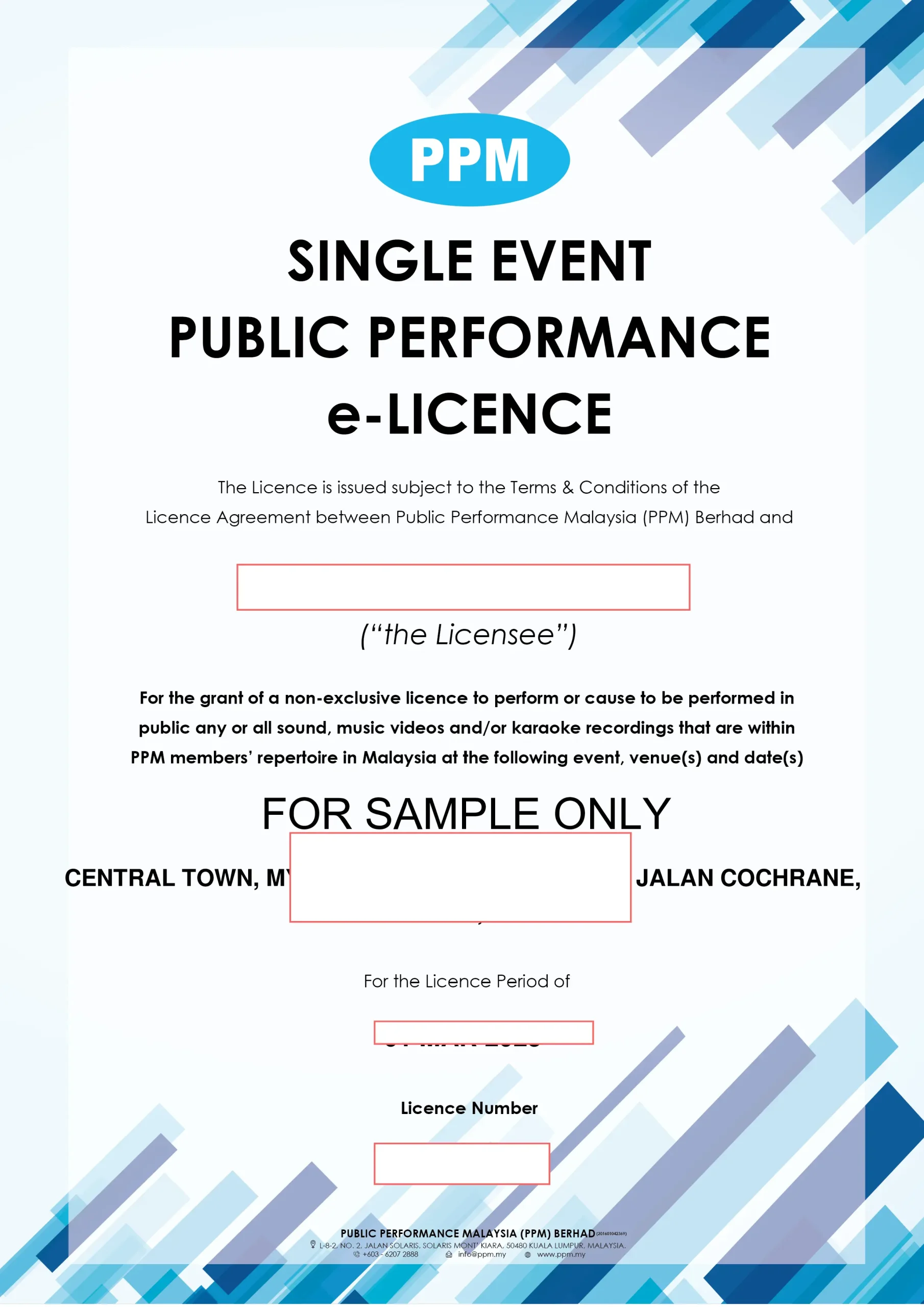
Many operators assume that paying for a music copyright licence covers everything. It doesn’t. The two are separate approvals from separate bodies, and venues with live music usually need both. This guide explains what each does, who needs what, which documents councils expect, and how Maxime License helps you stay compliant in Malaysia without costly delays.
On this page
What Is a Musical Entertainment License?
It is an approval issued by local authorities that allows businesses to conduct music-related or entertainment activities legally on their premises. The rules sit under state-level entertainment legislation and each council’s own conditions, which is why requirements differ from one area to the next. Musical entertainment covered by this license includes:
|
Live bands Live band performances at restaurants, bars, and venues. |
DJs & recorded music DJ sets and recorded music played as entertainment. |
Karaoke & stage Karaoke rooms and stage performances for patrons. |
Background music Background music in commercial premises, depending on council rules. |
Operating without a valid license may result in fines, enforcement actions, or suspension of business activities.
Entertainment License vs Music Copyright Licence
This is the most common point of confusion for venue owners. Both relate to music, but they protect different things and come from different bodies:
| Entertainment License | MACP / PPM / RPM Licence | |
| Issued by | Local authority (PBT) | Music collecting societies |
| Purpose | Approval to host entertainment at your premises | Rights to publicly play or perform copyrighted music |
| Governed by | Entertainment legislation and council conditions | Copyright Act 1987 |
| Risk if missing | Fines, enforcement, suspension | Copyright enforcement and claims |
Need the music copyright side as well? See our
MACP / PPM / PRM permit application guide.
Who Needs an Entertainment License?
You may require an Entertainment License if your business involves:
- Restaurants or cafés with live or recorded music
- Bars, lounges, and clubs
- Hotels and event venues
- Entertainment outlets or performance spaces
Each local council may have different requirements, which makes professional guidance important — especially if you operate across more than one council area.
What Councils Review Before Approving
| Area | What’s typically assessed |
| Premises suitability | Whether the location and approved use allow entertainment activity. |
| Type of entertainment | Live band, DJ, karaoke, or stage show — each may carry different conditions. |
| Operating hours & noise | Permitted hours and noise impact on neighbouring residents or businesses. |
| Safety compliance | Fire safety, exits, and capacity suitable for the activity. |
| Existing licensing | A valid business or premise license already in place. |
Document Checklist
Commonly requested documents include the following, though each council sets its own list:
| # | Document |
| 1 | SSM registration documents |
| 2 | Valid business or premise license |
| 3 | Tenancy agreement or proof of premises ownership |
| 4 | Premises layout plan showing the performance area |
| 5 | Fire safety certification, where required |
| 6 | Description of entertainment type, operating hours, and expected capacity |
Confirm your specific list with the relevant PBT or a licensed consultant before submission.
Application Process
|
1
|
Assess your premises and activity Confirm which type of entertainment you plan to offer and whether your premises and existing licenses support it. |
|
2
|
Prepare forms and supporting documents Compile the council’s application form together with the document checklist above. |
|
3
|
Submit to the local council Lodge the application with the PBT governing your premises and respond promptly to any queries or inspection requests. |
|
4
|
Approval, payment, and ongoing renewal Pay the applicable fee once approved, display the license, and track renewals and any condition changes. |
Risks of Operating Without an Entertainment License
Councils actively check venues that advertise live music or events, and complaints about noise often trigger inspections. The usual consequences include:
- Fines and compounds issued by the local authority
- Orders to stop entertainment activities immediately
- Suspension of business operations in serious or repeated cases
- Difficulty renewing other licenses tied to the same premises
Engaging foreign performers generally requires additional approval beyond the venue’s own license. Confirm this before booking any overseas artiste.
Frequently Asked Questions
Do I need an entertainment license to play background music in my restaurant?
It depends on your council and the type of music activity. Live bands, DJs, karaoke, and stage performances typically need a PBT entertainment license, while background music may fall under music copyright licensing instead. Confirm with your council before assuming either way.
Is an entertainment license the same as a MACP or PPM license?
No. An entertainment license is issued by your local authority for hosting entertainment at your premises. MACP, PPM, and RPM licenses are music copyright licenses covering public performance rights under the Copyright Act 1987. Most venues with live music need both.
Which authority issues the entertainment license?
Your local council (PBT), such as DBKL, MBPJ, or MBSA depending on where your premises is located. Each council applies its own conditions.
Can I apply before my premise license is approved?
Generally no. Most councils expect a valid business or premise license first, since the entertainment license is tied to the approved use of the premises. See our premise license guide.
What happens if I run live music without a license?
You risk fines, enforcement action, and suspension of entertainment activities or business operations.
Do foreign performers need extra approval?
Generally yes. Engaging foreign artistes usually requires approval beyond the venue’s entertainment license. Confirm the requirement before booking any overseas performer.
Apply for Your Musical Entertainment License Today
If you are planning to offer musical or entertainment activities, we are ready to assist you from start to approval. Contact us to discuss your licensing requirements in Malaysia.