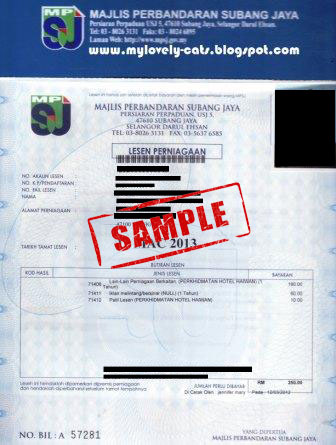
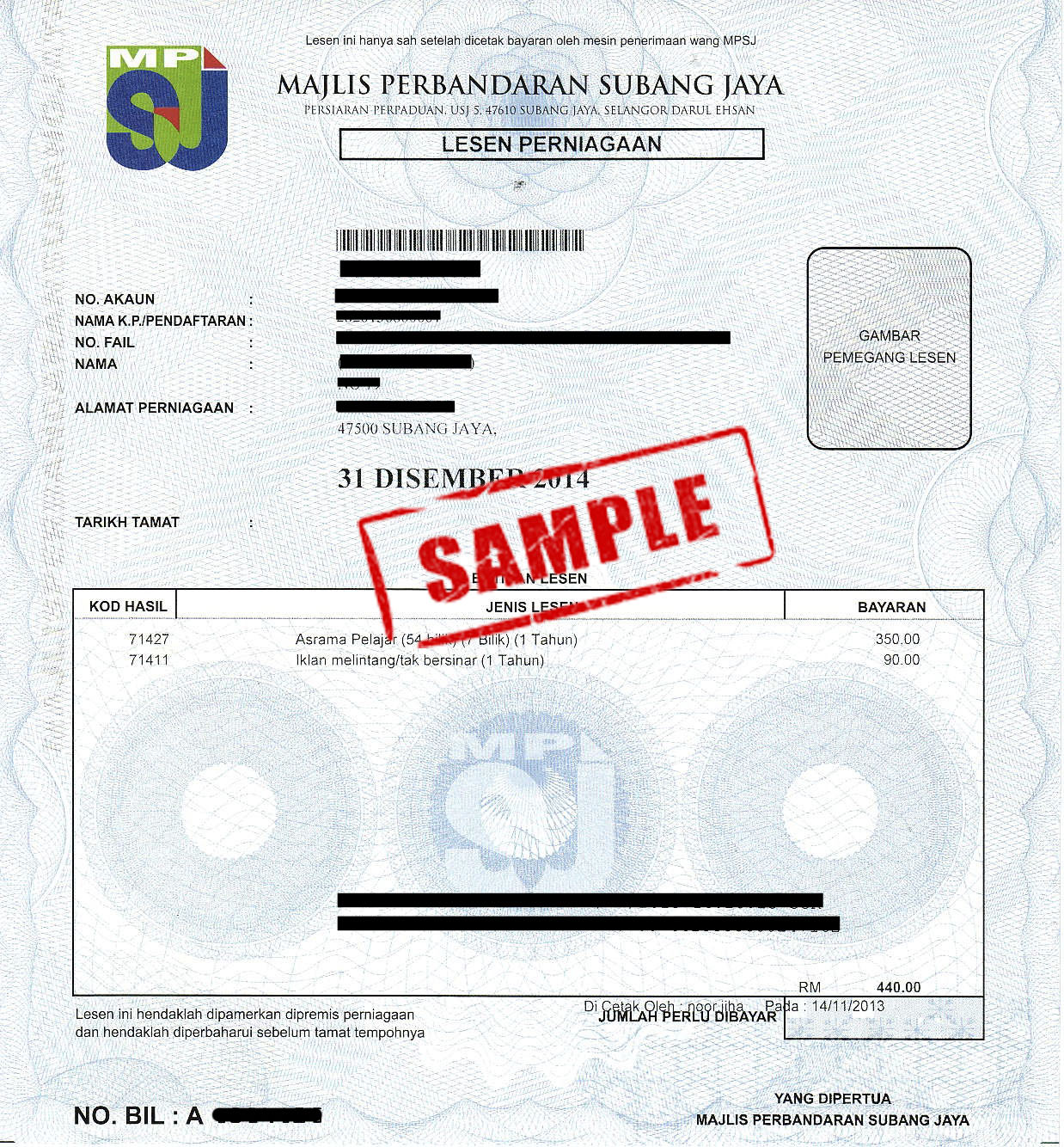
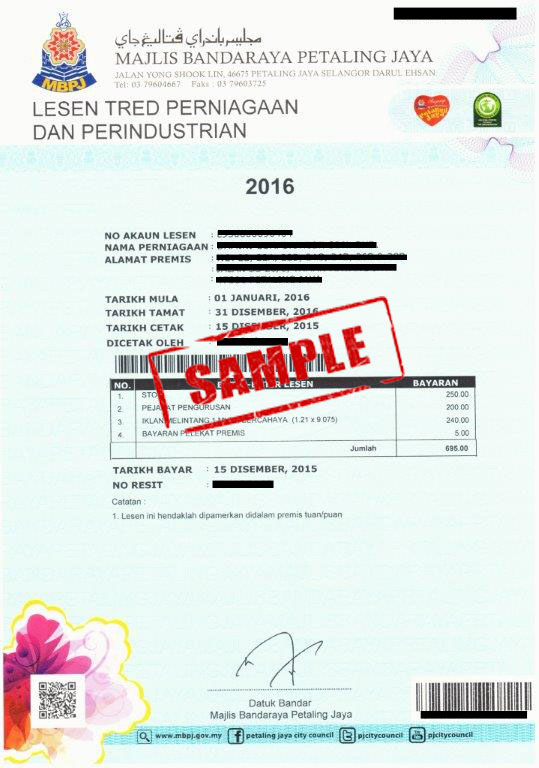
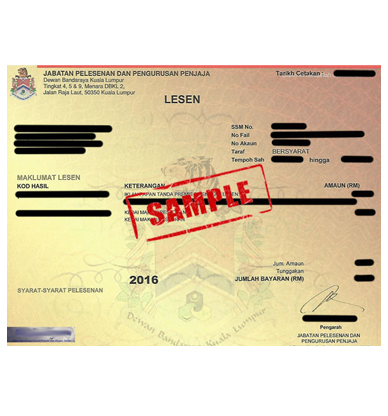
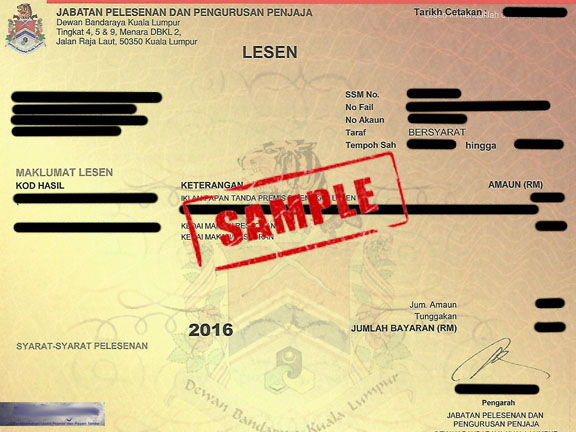
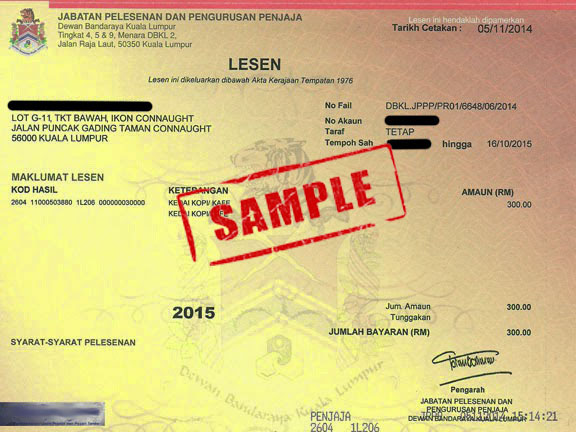
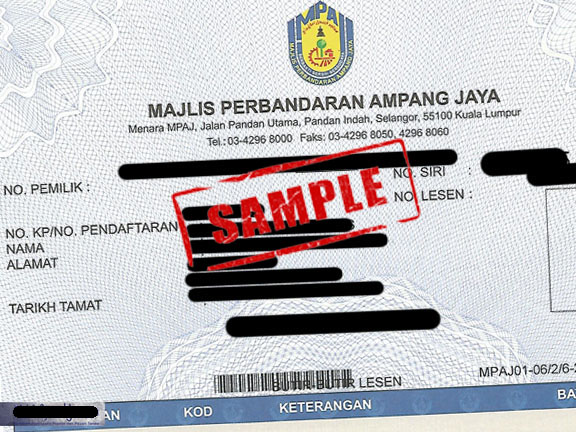
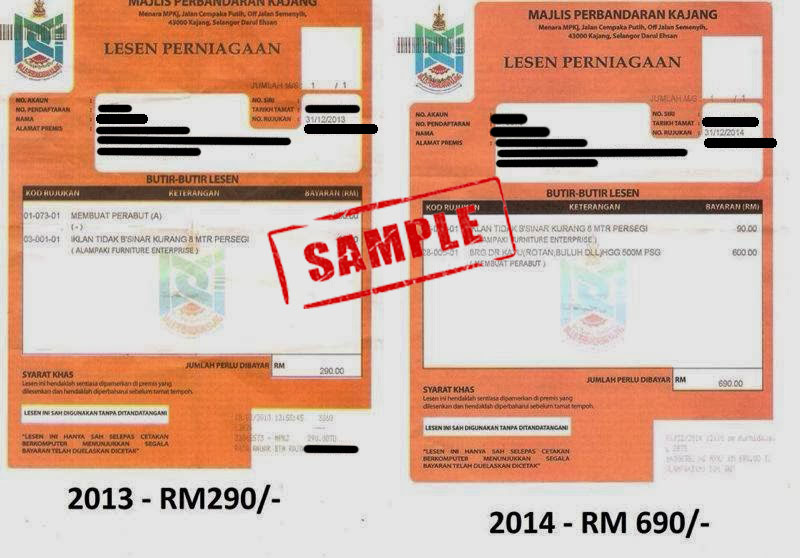
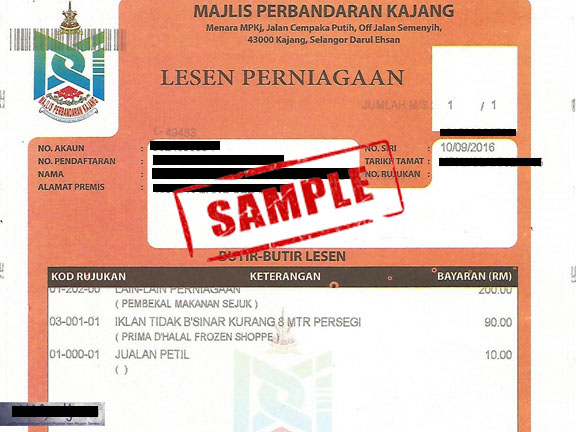
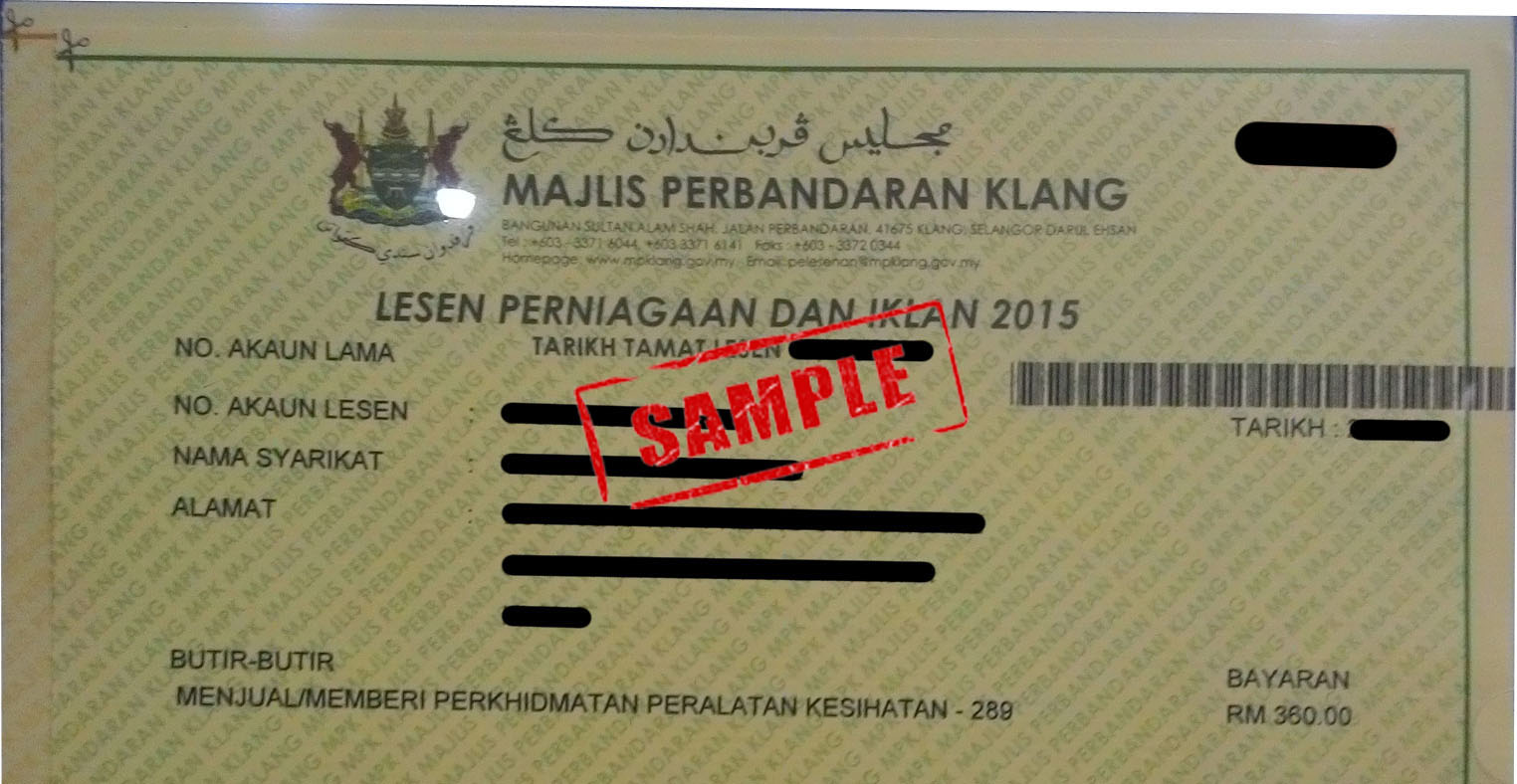
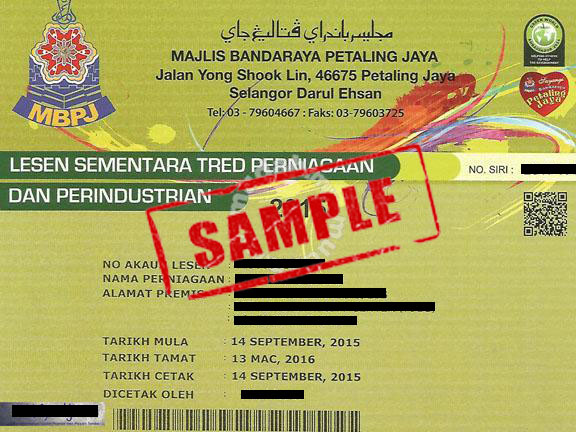
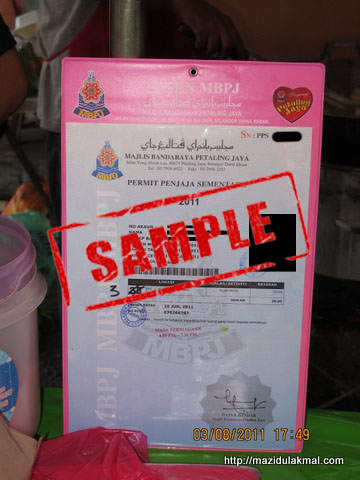
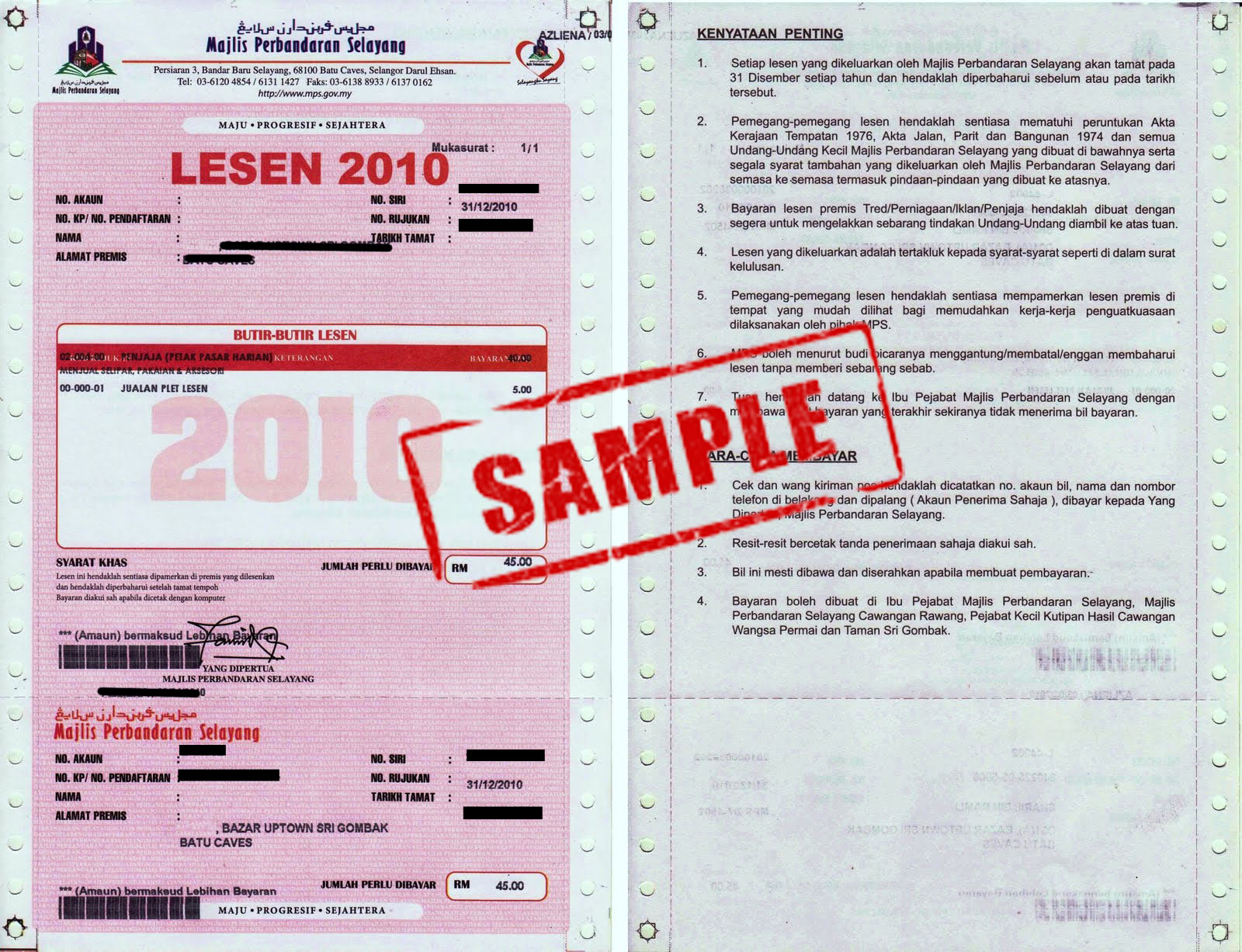
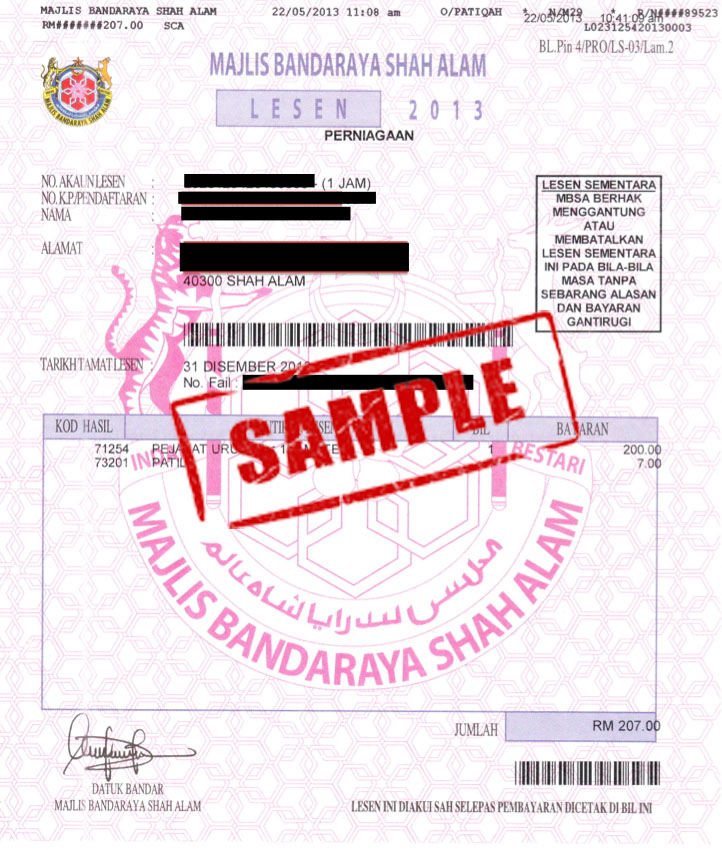
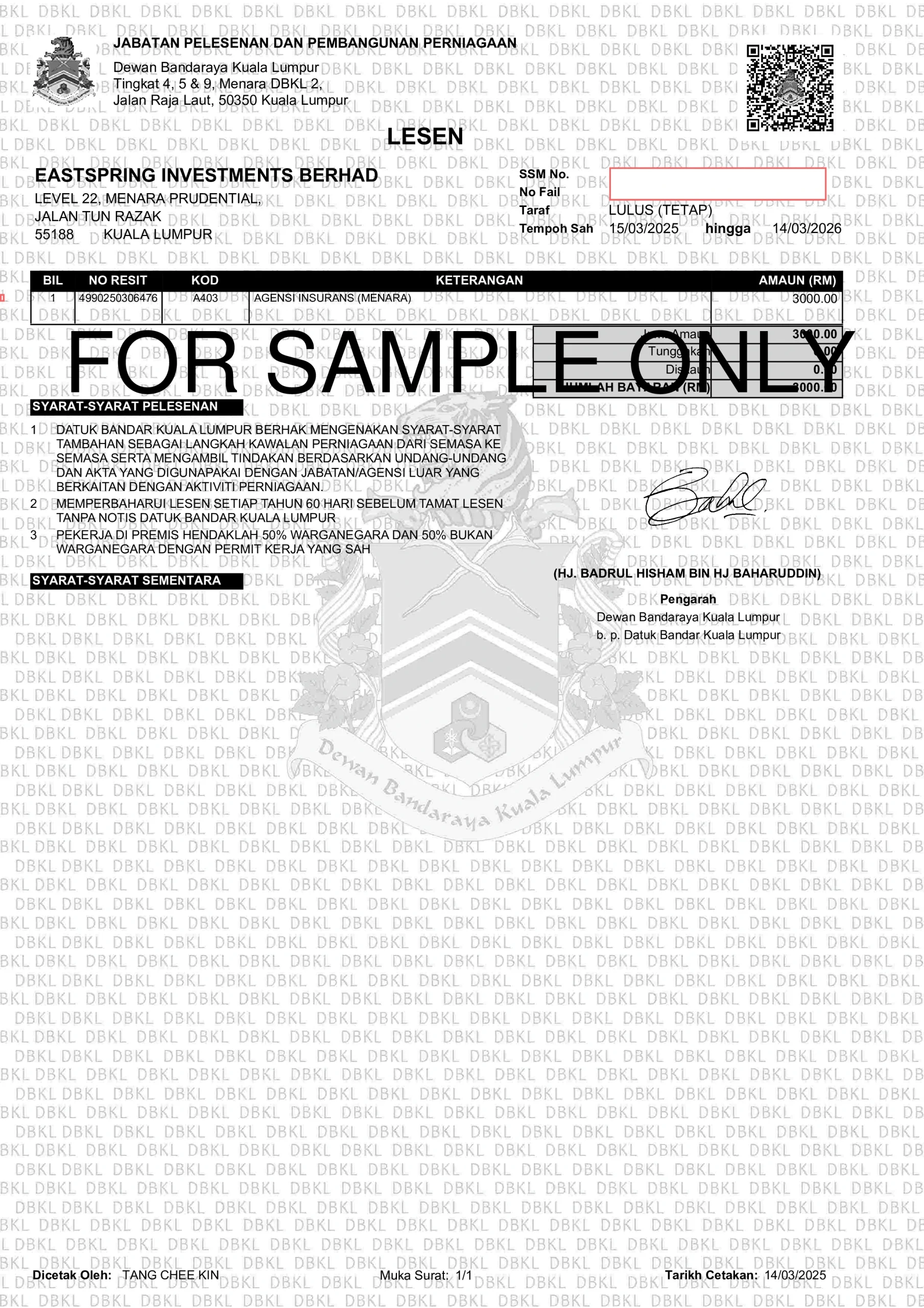
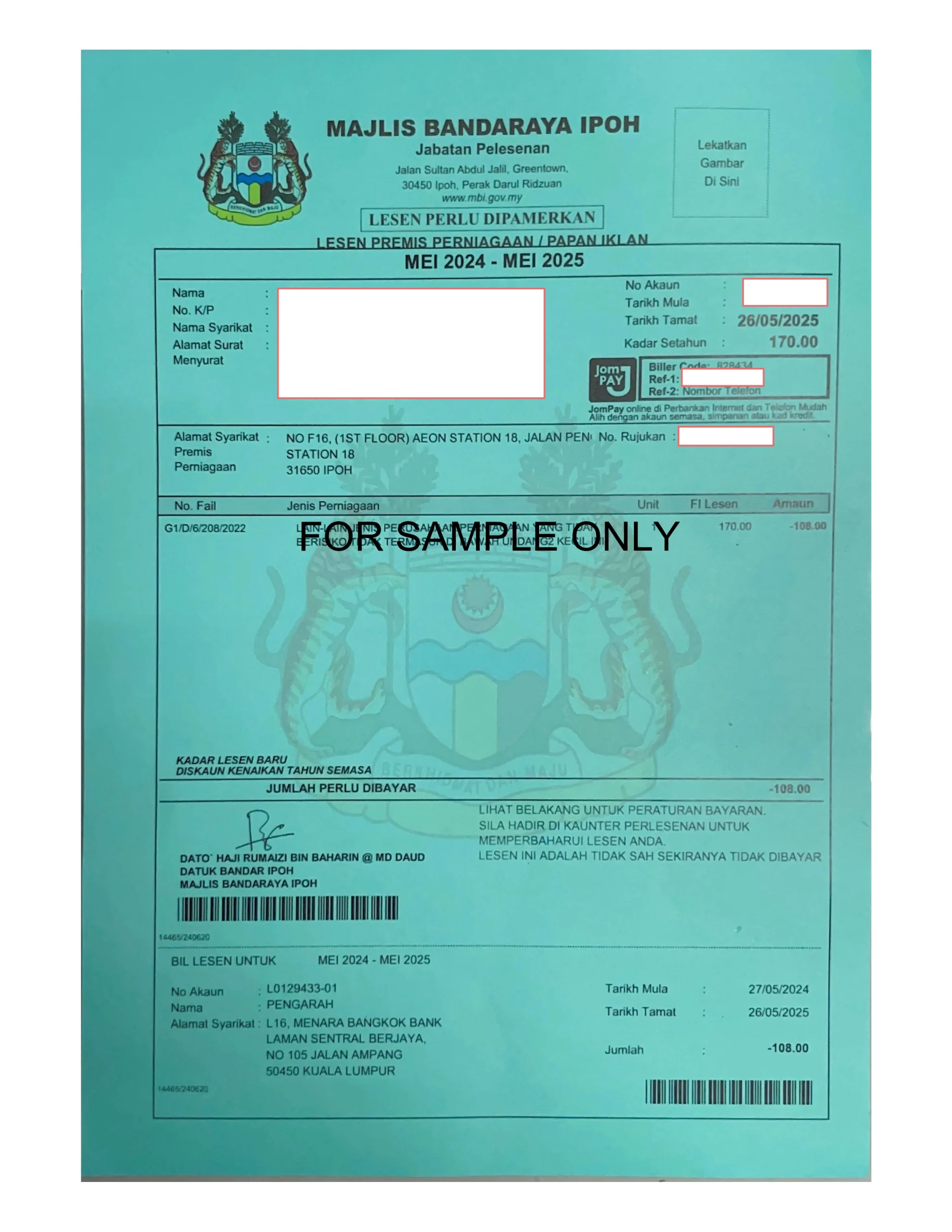
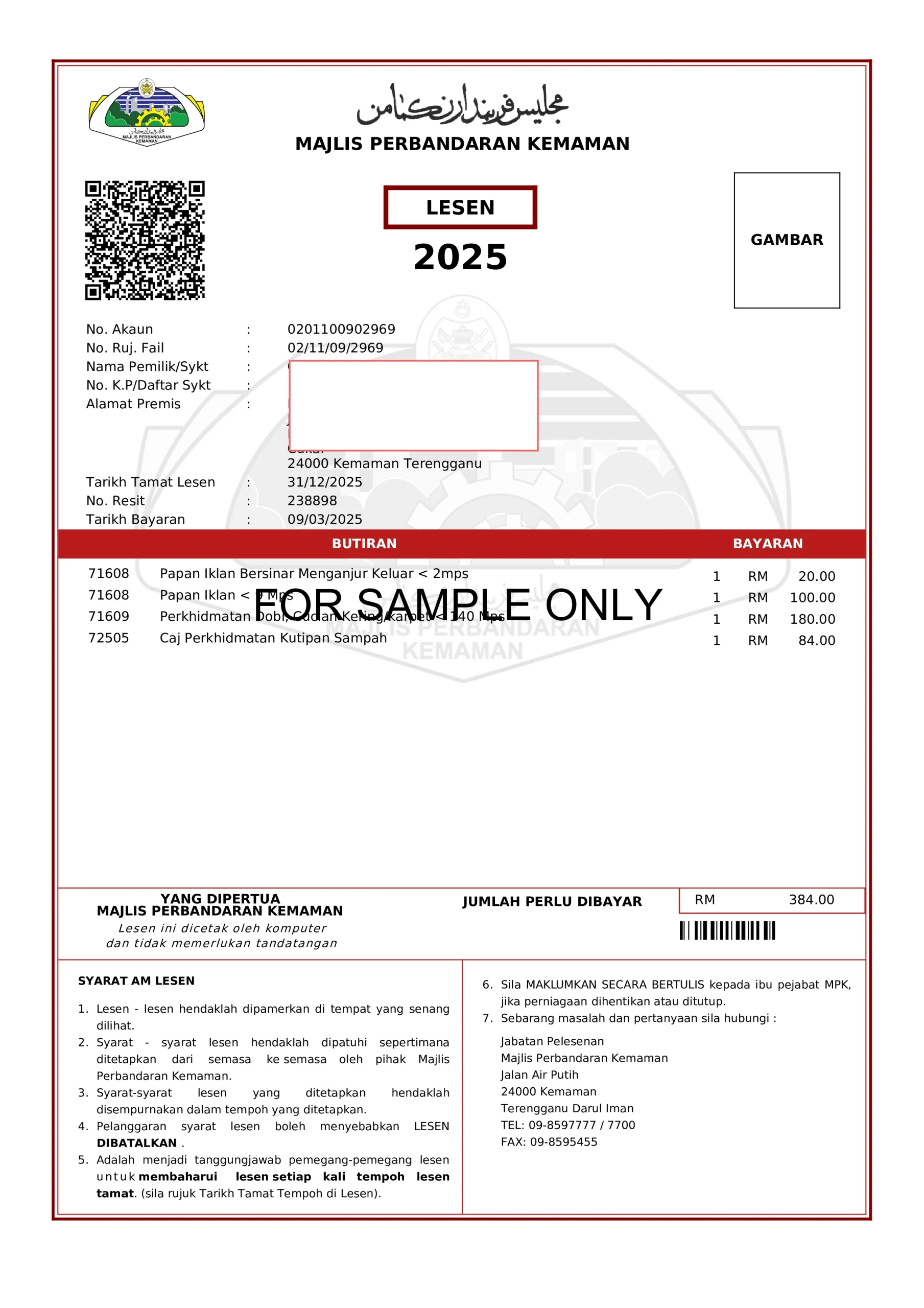
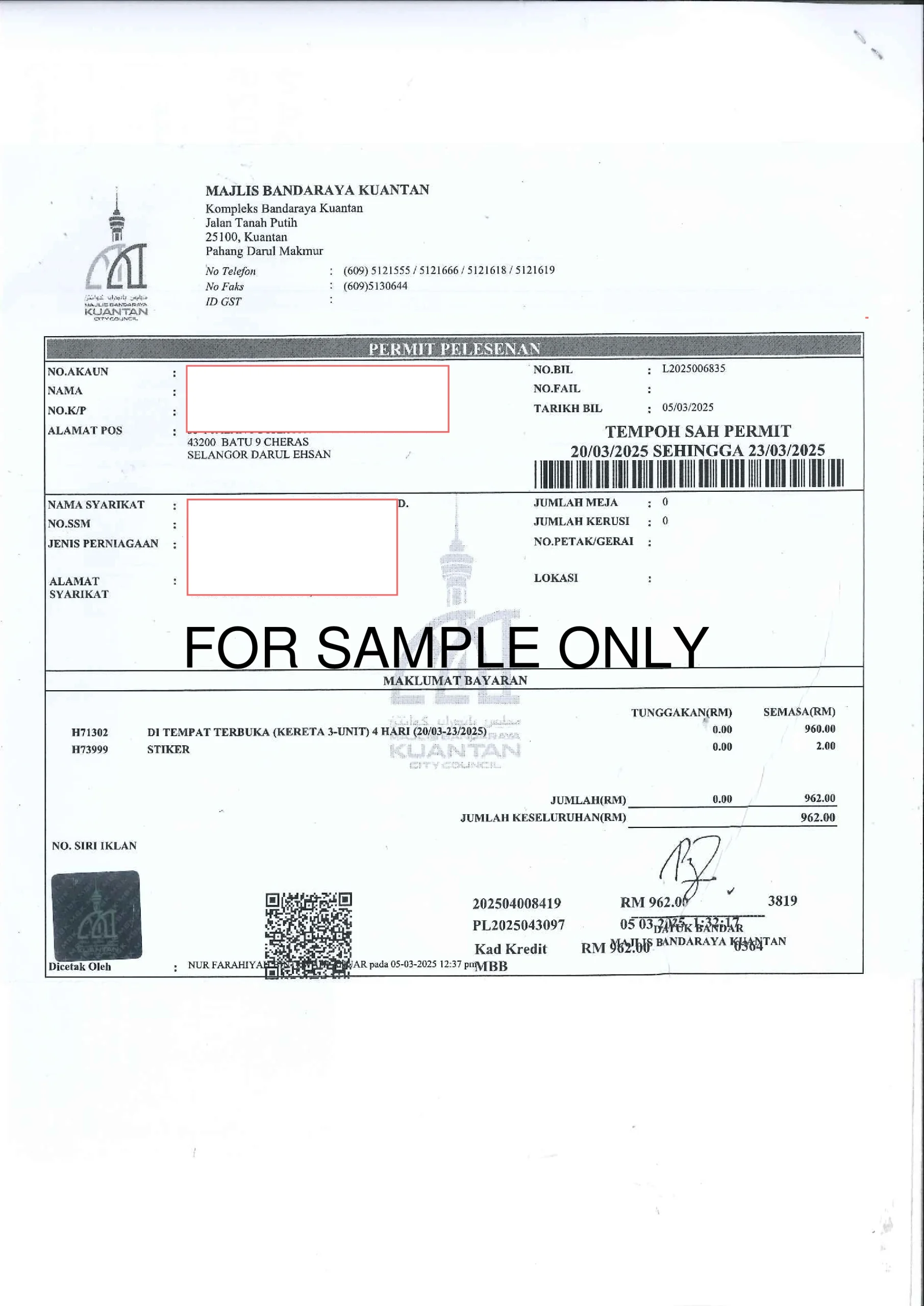
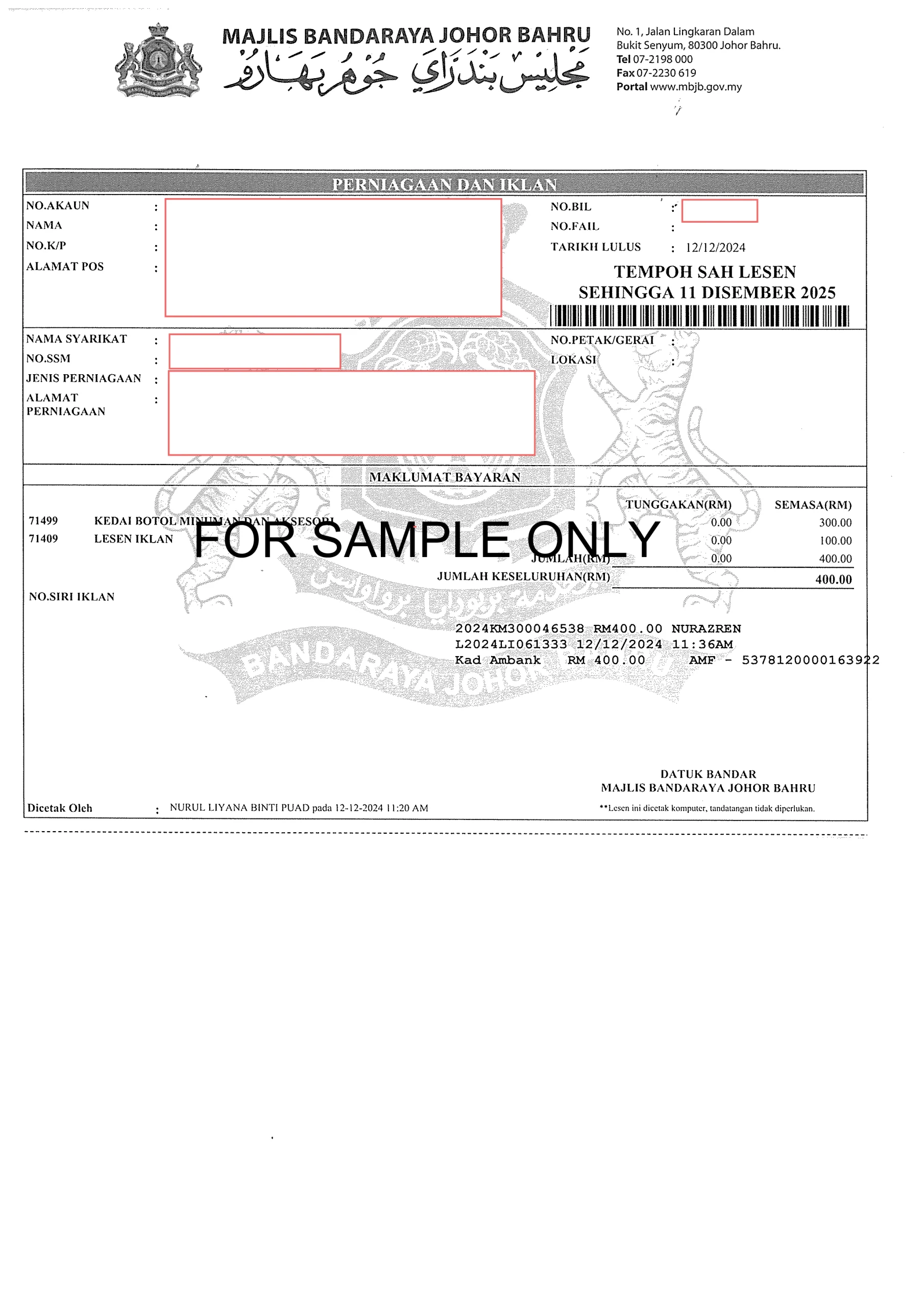
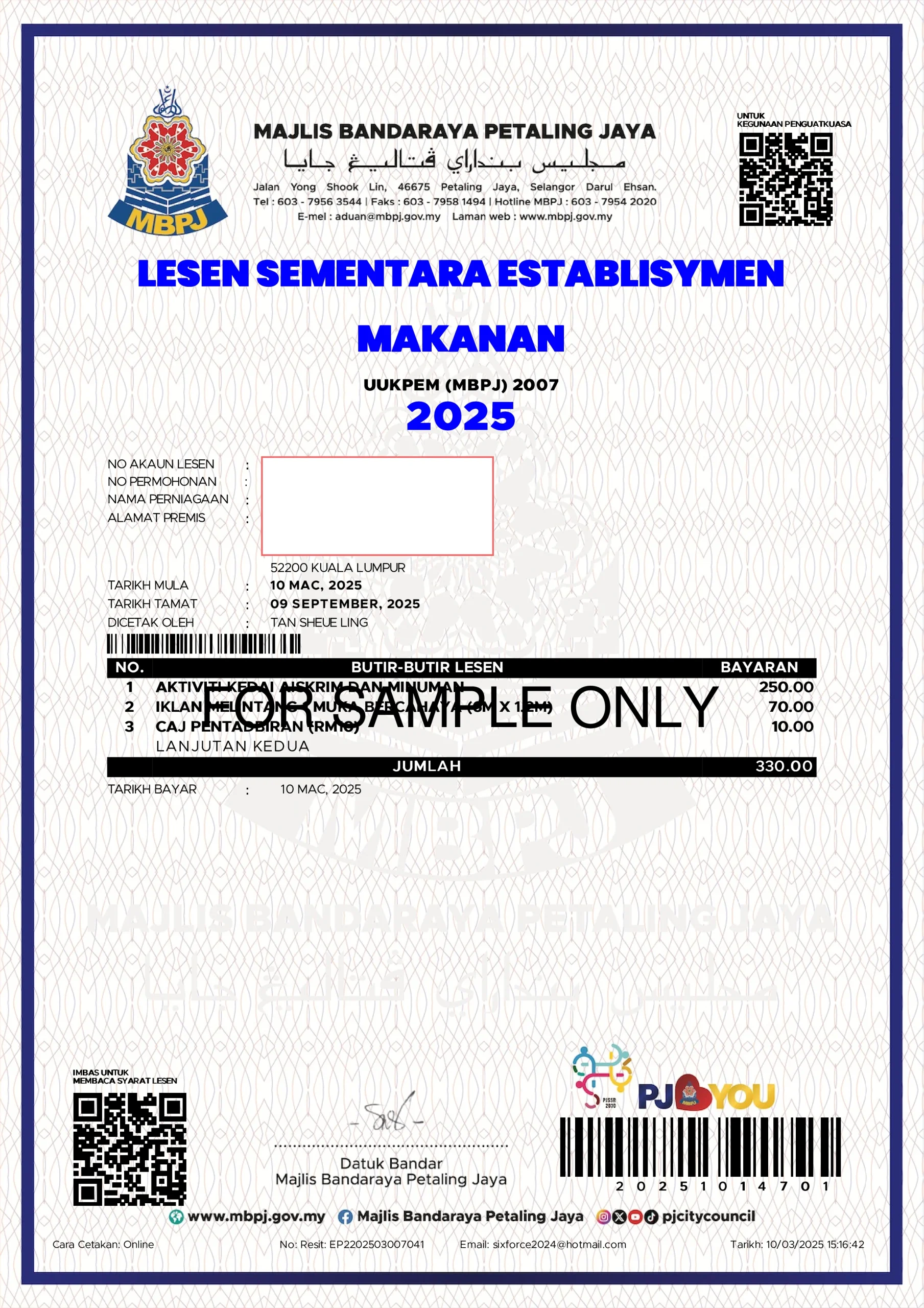
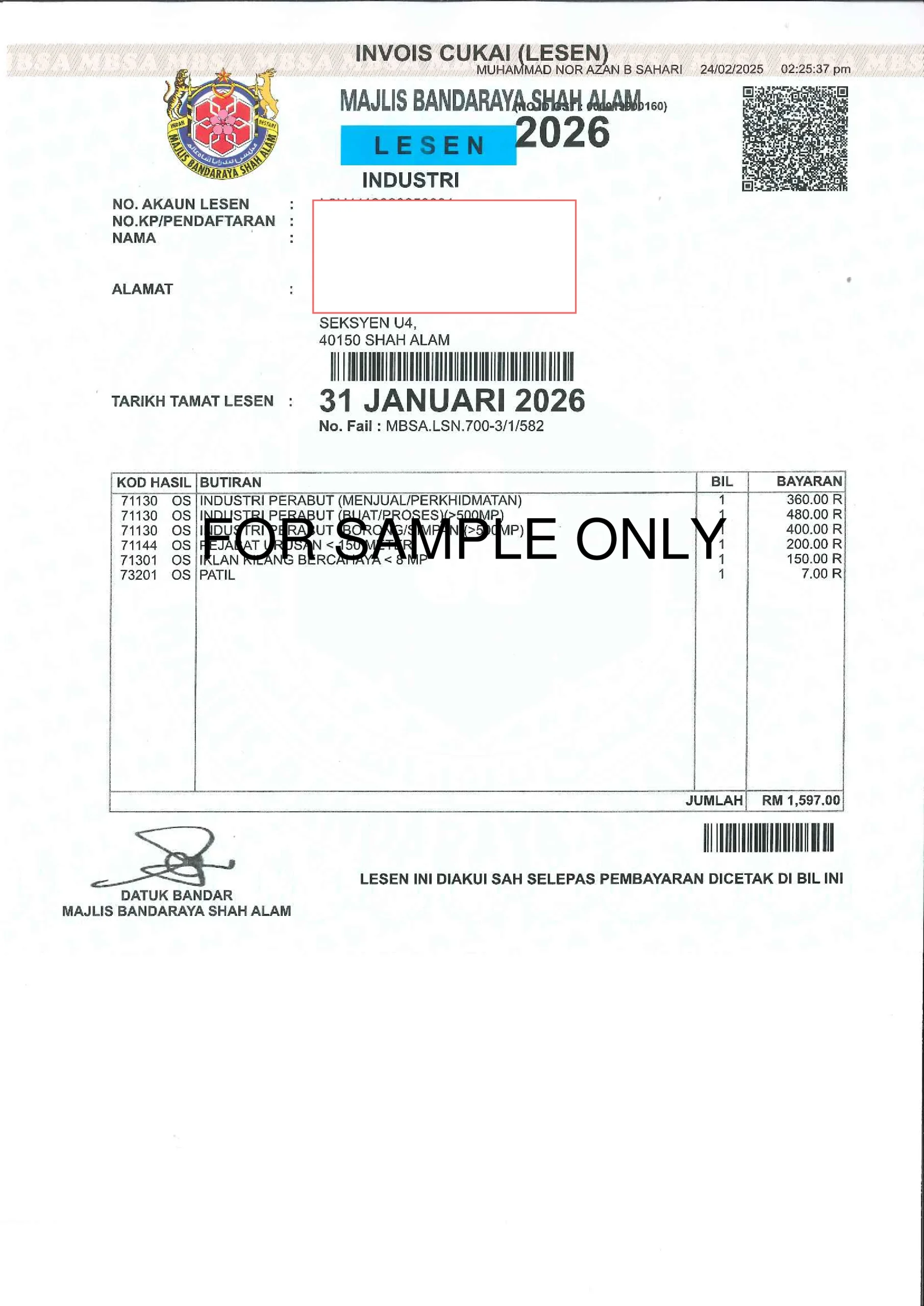
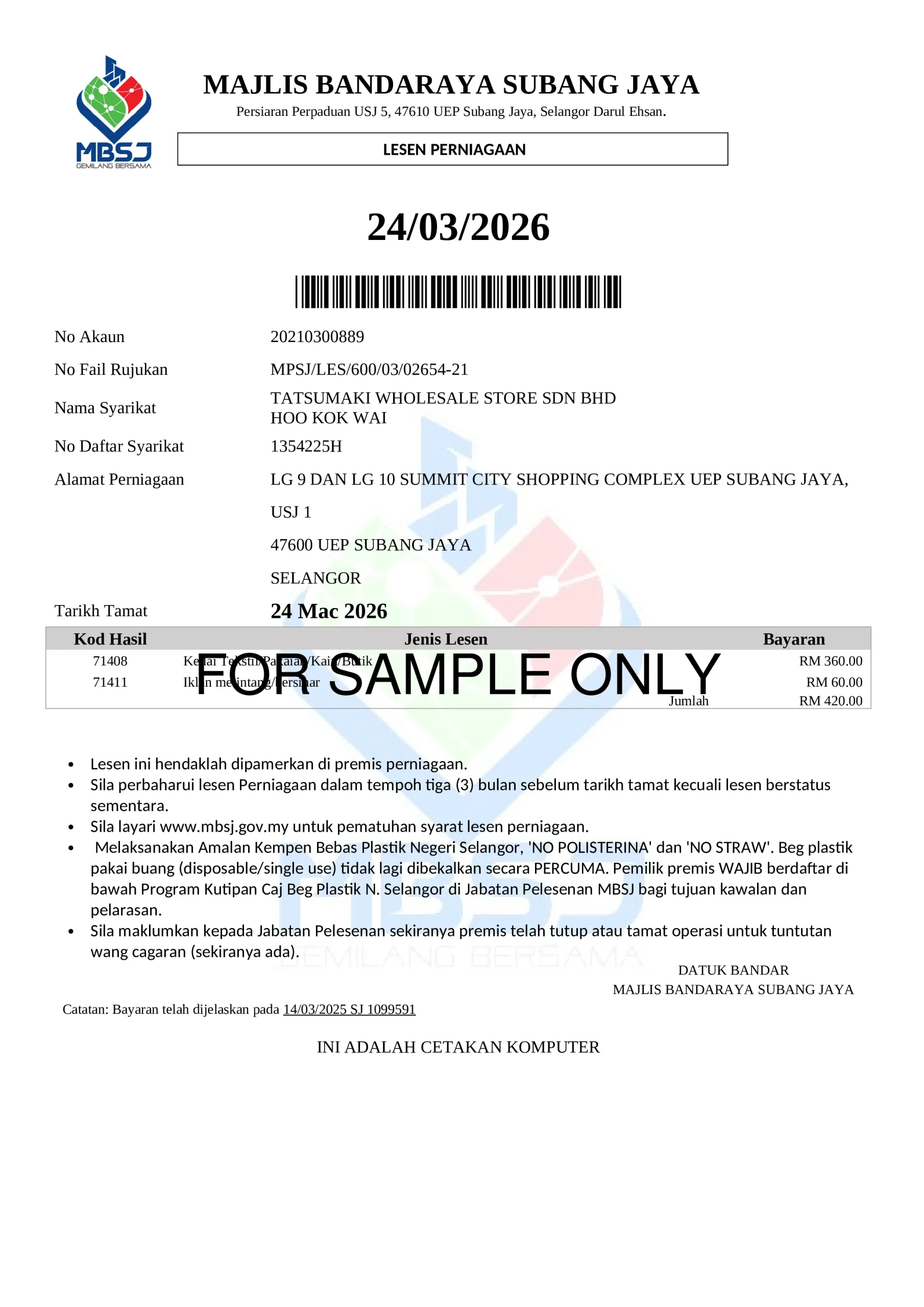
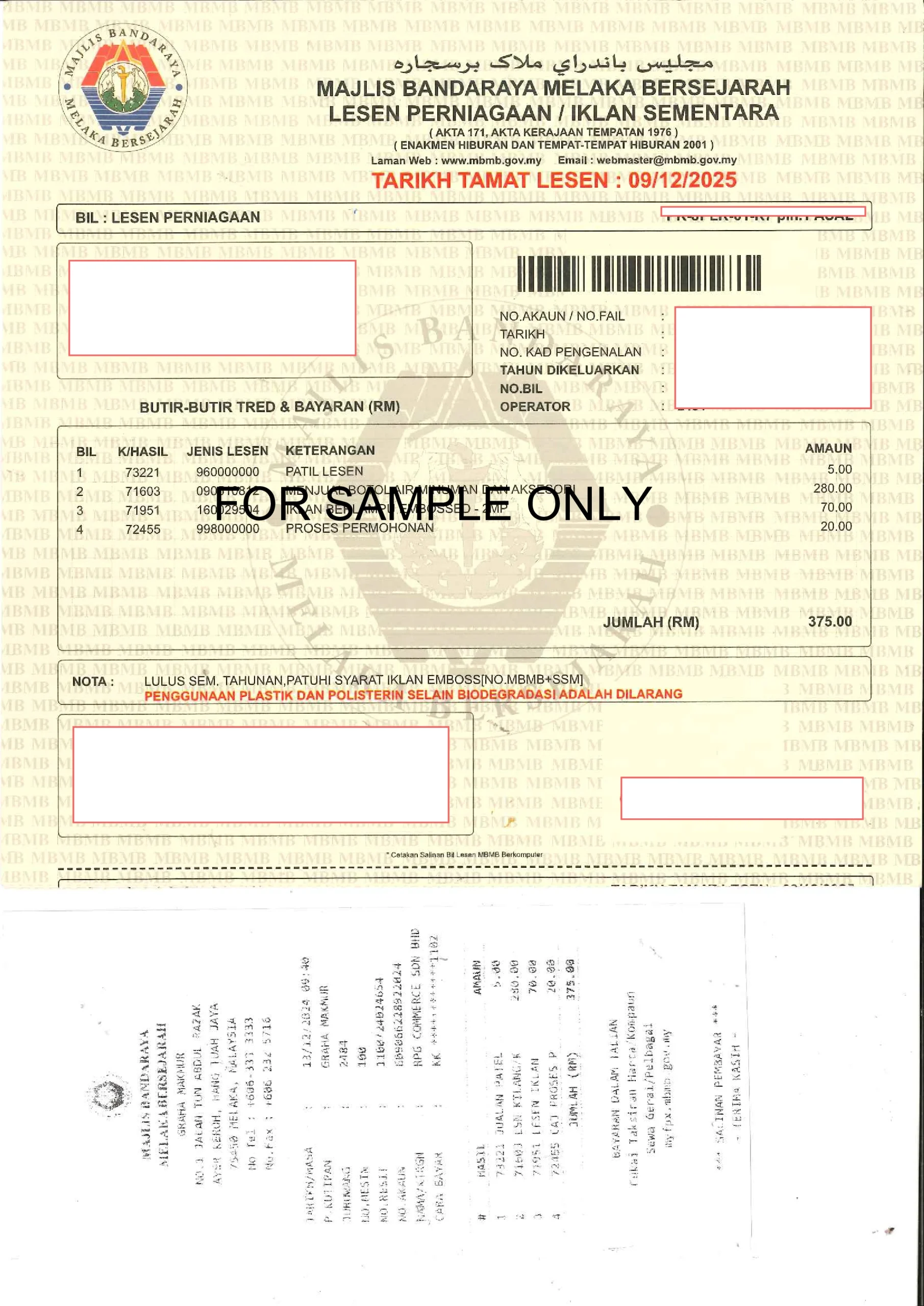
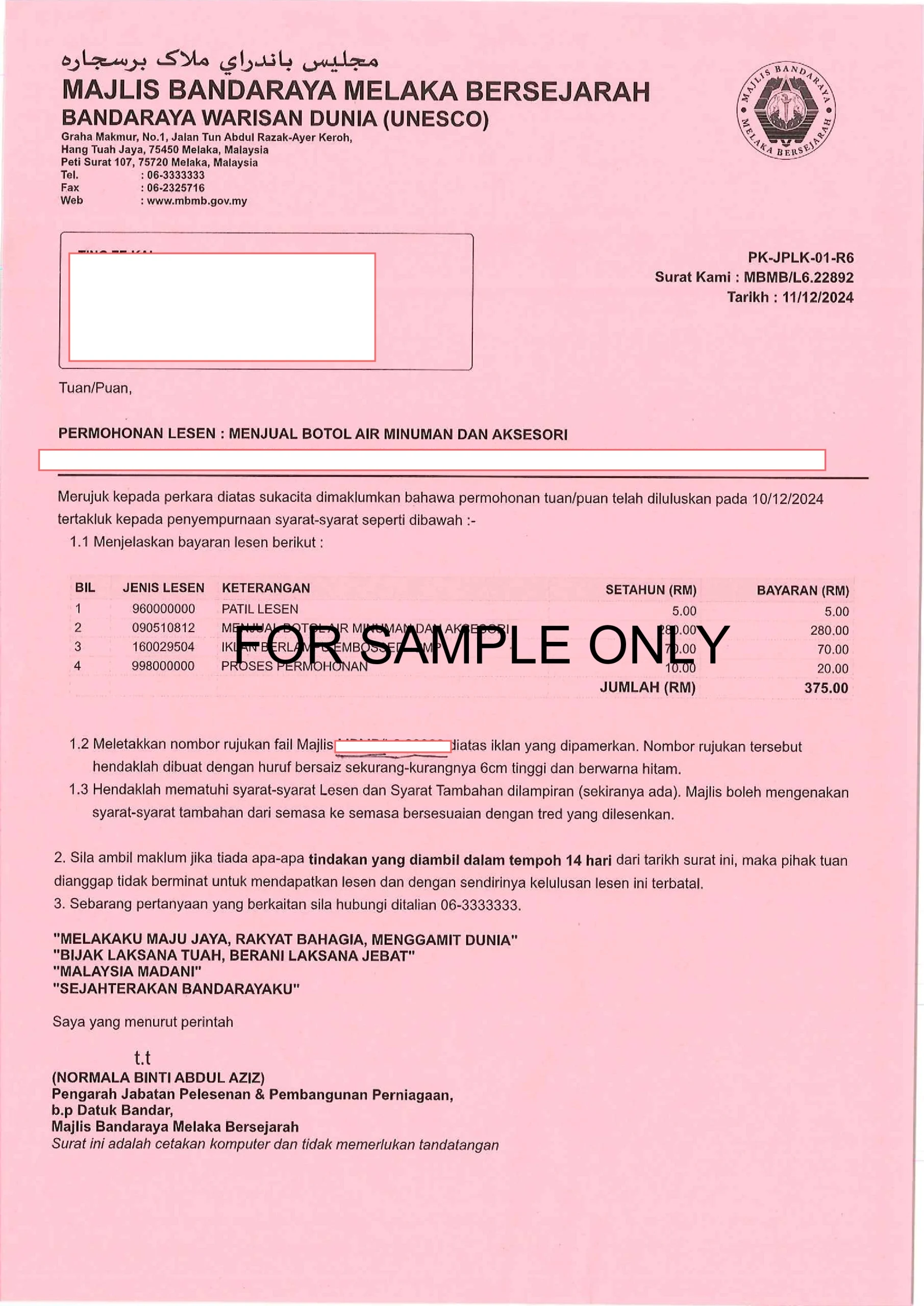
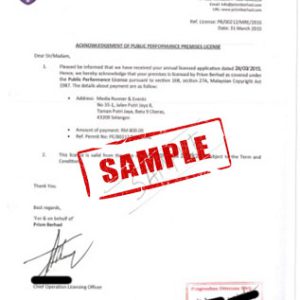
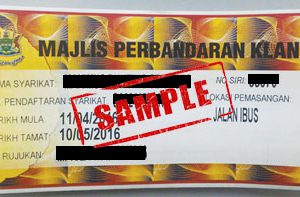
Operating a physical business in Malaysia without the correct local council approval is illegal, regardless of how long you’ve been trading or how small your premises is. This approval is commonly known as a
PBT Business license — issued by your area’s Pihak Berkuasa Tempatan (Local Authority) — and it is one of the most universally required approvals for any business with a physical address in Malaysia.
At Maxime City Consultancy, we prepare and submit Business, Premise, and PBT license applications across multiple local councils in Malaysia, including DBKL, MBPJ, MBSA, MBJB, MPK, and others. This page explains exactly what these licenses cover, who needs them, what they cost, and how the application process works.
What Is a PBT License?
A PBT license is any license issued by your local district-level government — the Pihak Berkuasa Tempatan — that allows your business to legally operate within that council’s jurisdiction. There are 151 different local authorities across Malaysia, and each sets its own specific rules, fees, and documentation requirements. Despite the variation, almost every business needs the same core combination of two licenses:
| 🏢Premise License
Approval for the physical location and use of your business premises — covering safety, layout, and suitability of the site. |
| 🪧Signboard License
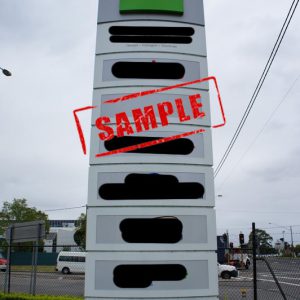
Approval for any exterior signage displaying your business name, covering language, size, and placement rules. |
Most local councils allow these two licenses to be applied for together as a “composite license.” This is the standard route for most businesses and avoids submitting two separate applications.
Some businesses require additional, activity-specific approvals on top of the composite license — entertainment licenses for karaoke venues, liquor licenses for alcohol sales, or food handling certifications for restaurants. These are separate from, and in addition to, the core Business and Premise License.
Who Needs a Business Premise License?
If your business operates from a physical location in Malaysia — a shoplot, office, retail unit, restaurant, factory, or warehouse — you need a premise license from the local council governing that address. This applies regardless of business size, including small enterprises and sole proprietorships.
An online-only business registered with SSM does not need a premise license if it has no physical storefront, though some councils require separate approval for home-based businesses. A small number of approved business categories can legally operate from residential premises, but this varies significantly by council and is the exception rather than the rule.
To find out which local authority governs your premises, check the official mailing address against the relevant council’s jurisdiction — most councils publish coverage area maps, and this can also be confirmed through your Assessment Receipt (Cukai Taksiran/Pintu) issued by the local council.
Documents Required for a PBT License Application
While exact requirements vary by council and business type, most applications require the following documents as a baseline:
| ✓Business or company registration documents (SSM) |
| ✓Land tax receipt (Cukai Taksiran/Pintu) and Certificate of Occupancy |
| ✓Tenancy agreement (if renting the premises) |
| ✓Applicant’s photograph and identification |
| ✓Coloured signboard sketch with measurements |
| ✓Exterior and interior photographs of the premises |
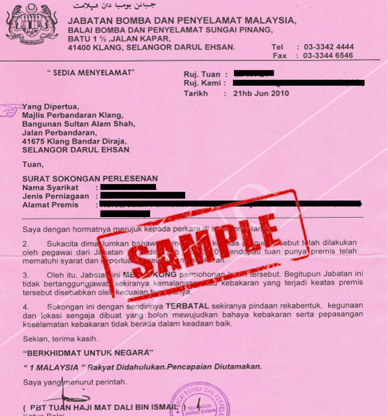
Activity-specific businesses — such as F&B outlets, factories, or entertainment venues — may need additional supporting letters from agencies like the Fire & Rescue Department (Bomba), the Health Department, Occupational Safety & Health, or Veterinary Services, depending on the nature of the business.
Premise and Signboard Requirements
Beyond paperwork, your physical premises and signage must meet each council’s standards before a license will be approved.
Premise requirements generally require the location to be in a suitable zoning category, have sufficient facilities for the business type, and not disturb the surrounding area. Some business types face stricter rules — for example, pet shops typically cannot operate next to restaurants, and entertainment venues cannot be located near schools or religious institutions. Most councils will inspect the premises in person before granting approval.
Signboard requirements generally require the Bahasa Malaysia text to be prominent and pre-approved by Dewan Bahasa dan Pustaka, with the business type and registration number clearly displayed. Sizing rules vary by council, and all applications require a coloured design with measurements submitted as a supporting document.
How the PBT License Application Process Works
|
1 |
Confirm Your Local Authority
Identify which PBT governs your premises based on its address — this determines all subsequent requirements and fees.
|
|
|
2 |
Register Your Business Entity
A valid SSM registration — sole proprietorship, partnership, or Sdn Bhd — is required before a premise license can be applied for.
|
|
|
3 |
Prepare Documentation & Signboard Design
Gather supporting documents and finalise a compliant signboard design with DBP-approved Bahasa Malaysia text.
|
|
|
4 |
Submit the Composite License Application
Submit online through the council’s portal where available, or in person, along with the processing fee.
|
|
|
5 |
⚠️ Cannot Be Skipped
Premises Inspection
For most business types, PBT officers will visit the premises and flag any changes needed to meet requirements.
|
|
|
6 |
🔁 Annual
Approval & Annual License Issuance
Once approved, pay the annual license fee to receive your license. Most licenses are valid for 12 months and must be renewed annually.
|
|
Important: you cannot legally operate before your license is issued, even by a single day. A small number of councils, such as MBSJ, offer a temporary license approved on the day of submission for certain business types, allowing operations to begin while the full inspection is pending.
How Much Does a PBT License Cost?
There is no single fee — each of Malaysia’s 151 local authorities sets its own pricing formula based on business size and category, so costs vary even for the same type of business across different councils. As a general guide based on typical ranges:
| Business Type |
Typical Annual Fee |
| Office & retail outlets |
RM 200 – RM 500 |
| F&B outlets |
Around RM 500 |
| Factories & industrial premises |
Around RM 1,000 |
These figures are indicative only and vary by council, premises size, and business category. Maxime License will confirm the exact fee applicable to your specific application.
Most licenses run for 12 months from the date of approval, though some councils use a pro-rata system where all licenses expire on 31 December regardless of issue date, with the fee adjusted accordingly for the actual operating period.
Frequently Asked Questions
What is the difference between a Business License, Premise License, and PBT License?+
“PBT License” is the umbrella term for any local council approval. For most businesses, this means a Premise License (approval for the physical location) combined with a Signboard License — together known as a composite license. “Business License” is often used loosely to refer to the same composite approval.
Can I apply for a PBT license online?+
It depends on the council. Most Selangor and Kuala Lumpur authorities offer online portals for application, payment, and renewal, but several councils — especially in more rural areas — still require physical submission at their offices.
Is a premises inspection always required?+
For most business types, yes. A small number of business categories, typically very small stalls, may receive immediate approval without inspection. For everyone else, PBT officers will visit the premises after submission and flag any changes needed before final approval.
Can I start operating while my license application is pending?+
No, operating before your license is issued is not legally permitted, even by a single day. Some councils offer a temporary license — for example, a six-month approval issued the same day as submission — to allow certain businesses to begin operating while the full inspection process is underway.
How long does a PBT license last, and how do I renew it?+
Most PBT licenses are valid for 12 months from the date of approval, though some councils use a pro-rata system where all licenses expire on 31 December. Renewal follows the same application channel as the original submission — online or physical — and typically requires the previous license and proof of payment.
Can a PBT license be transferred to a new owner?+
It depends on your business entity. Licenses registered to a sole proprietorship or enterprise are tied to the individual owner and cannot be transferred. For an Sdn Bhd, the license is registered to the company itself, so it can effectively transfer along with a change in company share ownership.
Do I need a separate license if my business sells alcohol or hosts live entertainment?+
Yes. The composite Business and Premise License does not cover alcohol sales or entertainment activities. These require separate, activity-specific permits issued by the same local authority or other relevant agencies, in addition to your core PBT license.
Apply for Your Business & Premise License Today
If you’re planning to start or expand a business in Malaysia, Maxime License is ready to assist with your Business License, Premise License, and PBT License applications across multiple local authorities. Whether you’re opening your first retail outlet, renewing an existing license, or applying for a composite license across several council jurisdictions, our team handles the documentation, compliance checks, and council liaison so your application moves forward without unnecessary delays.
Contact us today to discuss your licensing requirements and ensure your business remains fully compliant from day one.